
The first batch of Ugandans being evacuated from South Africa is expected to arrive in Uganda on Wednesday as the government accelerates a voluntary repatriation exercise triggered by escalating anti-immigrant tensions in the country.
More than 1,200 Ugandans have registered for assisted return following rising demonstrations in South Africa, where sections of the population have accused foreign nationals of taking jobs and straining economic resources amid high unemployment.
The protests reportedly escalated after groups issued an ultimatum giving foreign nationals until June 30 to leave the country, prompting fear and uncertainty among migrant communities.
Ugandan diplomatic missions in Pretoria and Johannesburg have set up three registration and coordination centres, where hundreds of Ugandans have been signing up for evacuation assistance.
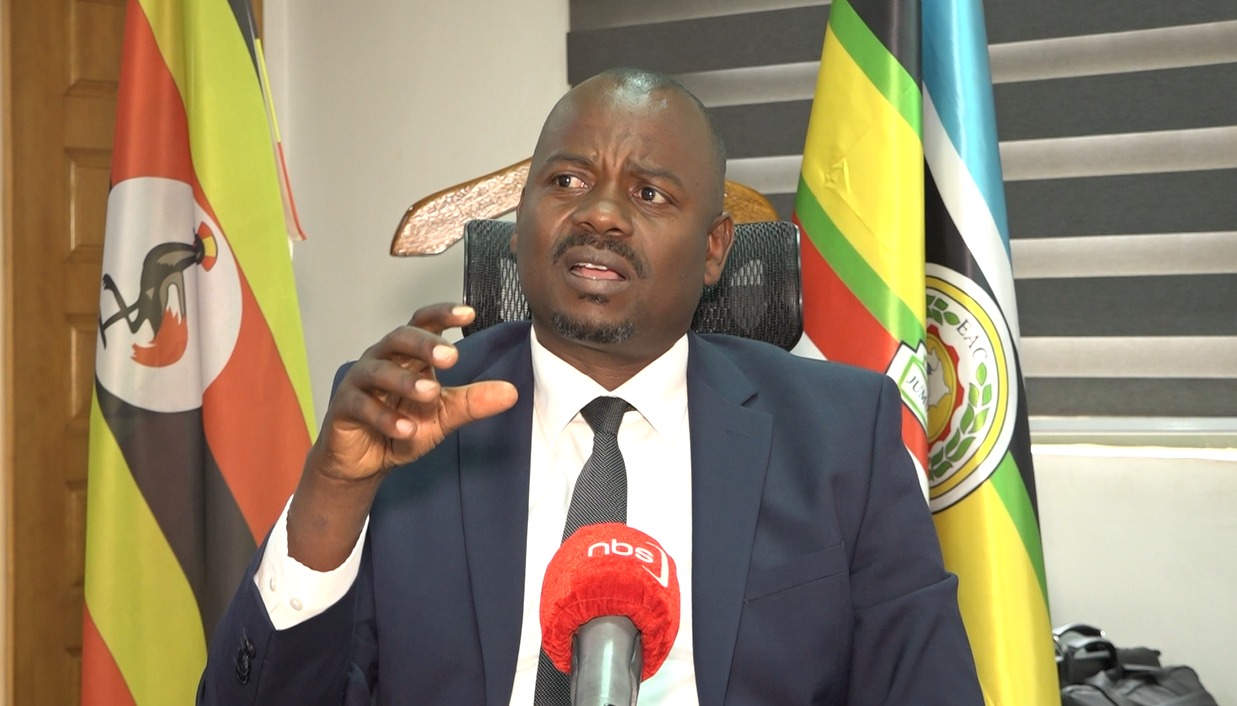
Acting Minister of Foreign Affairs Haruna Kyeyune Kasolo said the government has completed logistical arrangements, with the first group already scheduled to fly out.
“We have issued temporary permits to Ugandans to allow them move to these holding centres,” Kasolo said in an interview.
He added that the evacuation process is voluntary and prioritises those without valid travel documents or those unable to fund their return journey.
“Whatever number, for us we are very ready to evacuate them back home,” he said.
“Our first chartered plane will leave this evening to South Africa and the first batch should be coming in tomorrow,” he added.
Kasolo also said government is engaging South African authorities to ensure the safety of Ugandans who choose to remain in the country, particularly those with established businesses and long-term investments.
“We continue to engage our brothers and leaders in South Africa to ensure that those who have investments and are now willing to come back are safe and their investments protected,” he said.
The urgency of the evacuation has been heightened by reports that at least one Ugandan has died during the unrest, prompting increased concern among the Ugandan community and accelerating calls for assisted repatriation.
